
1.Title
Resilient Urban Development through One Health Approach
https://wuf.unhabitat.org/event/wuf13/resilient-urban-development-through-one-health-approach
2.Summary
●One Health is a collaborative, cross-sectoral approach that recognizes the close interconnection between human health, animal health, and environmental well-being. It addresses global challenges in an integrated manner and is closely linked to many of the 17 Sustainable Development Goals (SDGs).
●Rapid urbanization and the expansion of human activities have led to ecosystem degradation, intensified natural disasters, and increased risks of infectious diseases. Greater contact between humans and wildlife has also contributed to the emergence of pandemics, highlighting the need to rethink housing, land use, and urban planning from a One Health perspective.
●This event will present solutions, grounded in the One Health approach, that contribute to sustainable development and ecosystem conservation.
-848x1024.jpg)
Opening Remarks and Keynote Speech
One Health as a driver of the SDGs
Dr. Isao Kurauchi
President of WVA
Chair of the Fukuoka Prfecctural Assembly
◆ In cities—where humans, animals, and the environment intersect—the One Health approach is essential to enable communities to develop sustainably in harmony with nature, while building a resilient and safe future. This session will highlight the significance of One Health for future generations and the cities of tomorrow.
Case 1: Community and Housing Recovery in Japan
◆ The 2017 Northern Kyushu heavy rainfall and landslides caused extensive damage to housing and social infrastructure in Fukuoka Prefecture. This case study highlights efforts in post-disaster recovery and reconstruction that incorporated considerations for ecosystems and biodiversity, as well as community-led regional revitalization. It underscores the importance of multi-stakeholder collaboration based on the One Health approach.
[Recovery]
During the recovery phase, public works were implemented in line with the One Health concept, aiming to restore lost ecosystems and enable harmonious coexistence between people and animals. These efforts included the creation and conservation of natural environments, with careful attention to biodiversity and habitats. In river restoration projects, diverse ecological environments were established to support riparian vegetation and protect various species, including endangered ones.
[Reconstruction]
In response to the disruption of local communities caused by housing damage, a range of initiatives were carried out. These included community revitalization centered on disaster preparedness, the introduction of a Bus Rapid Transit (BRT) system using fuel cell buses to replace damaged railway services, artist-in-residence (AIR) programs to create new local value, and international film production projects conducted with active participation from local residents. Through close collaboration among residents, local governments, and experts, these efforts aim to rebuild communities by leveraging local natural and cultural assets, fostering sustainable and resilient urban development.
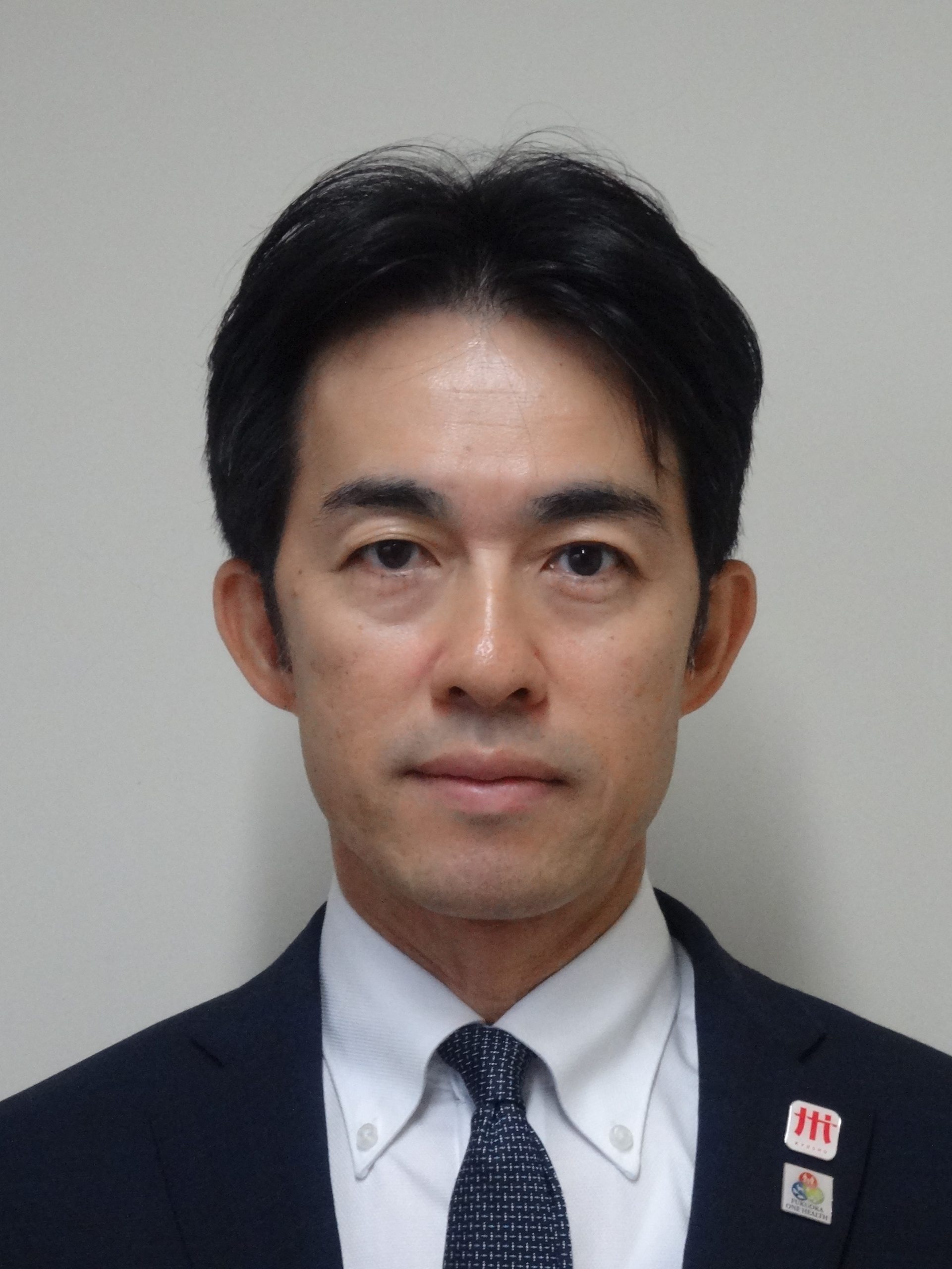
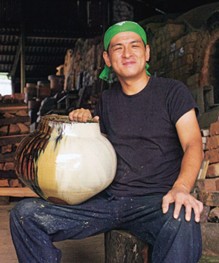
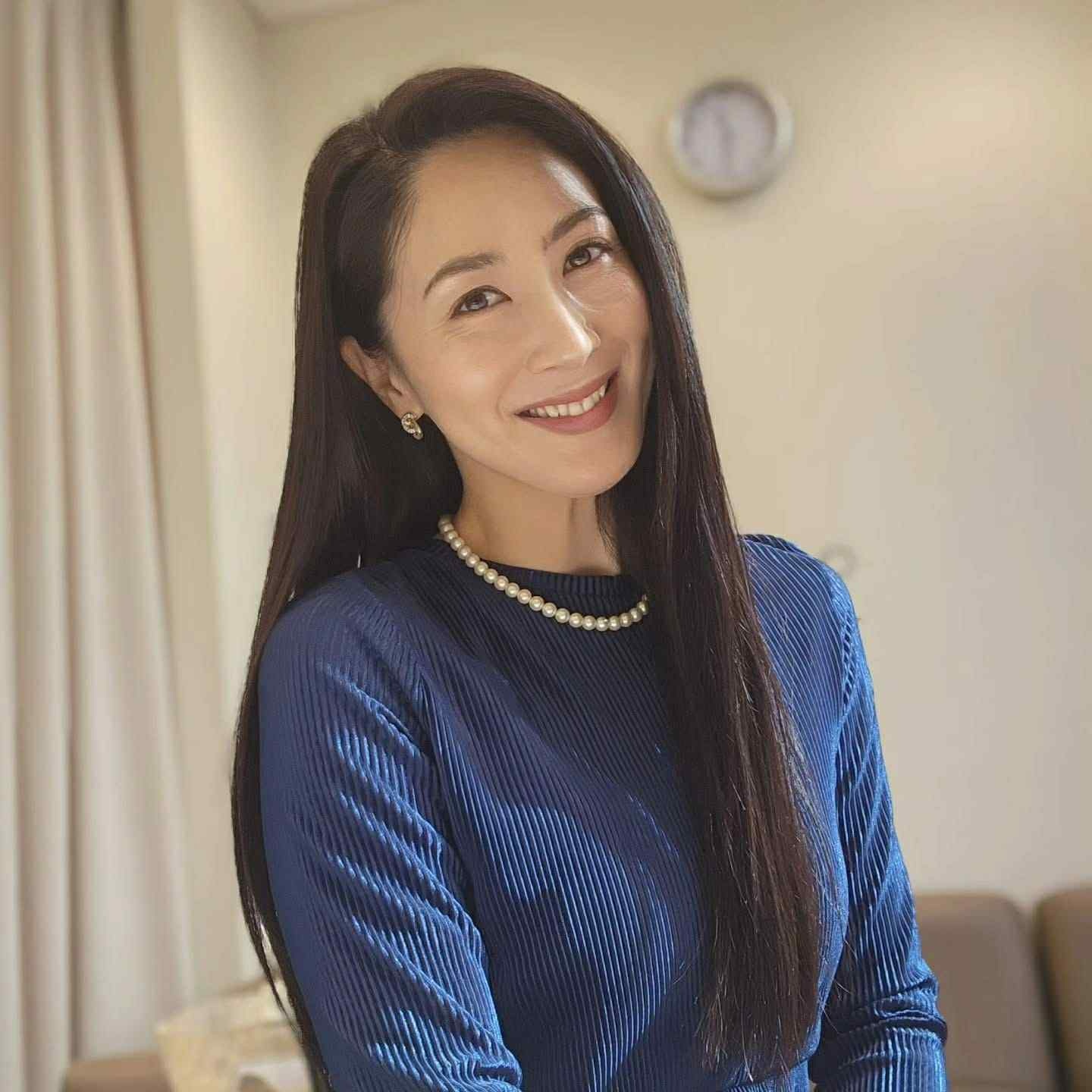
| Mr. Shingo Mawatari Director of the Fukuoka Prefectural Government | Mr. Hekizan Onimaru Ceramic artist | Ms. Ikumi Yoshimatsu Actress |
 |  |  |
Case 2: One Health Disaster Response in the Philippines
Online
◆ Natural disasters simultaneously affect human lives, animal health, and the environment, making their interdependence more visible. This case study presents One Health initiatives in the Philippines that promote animal welfare, food security, and ecosystem conservation.
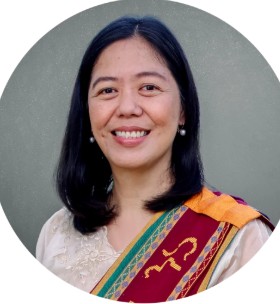
| Dr.Maria Catalina T. De Luna University of the Phillipines |
 |
Case 3: Coastal and Marine Ecosystem Protection and Resilient Community Building
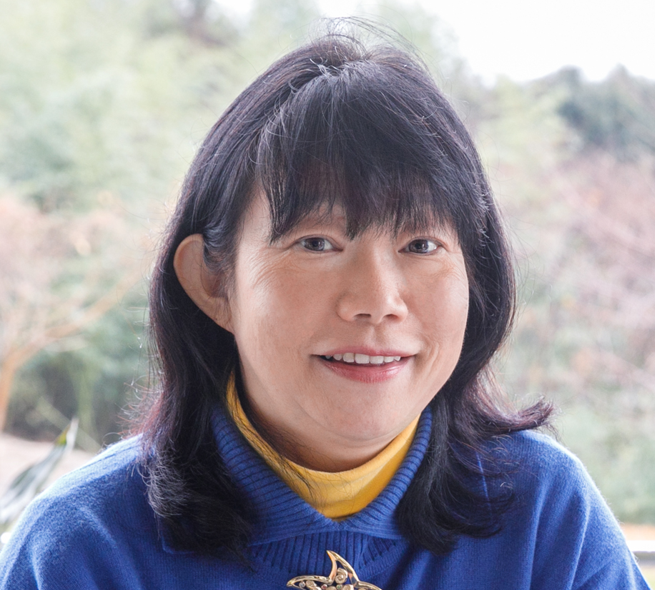
◆ Coastal and marine ecosystems are not only vital for biodiversity conservation, but also for livelihoods and the well-being of local communities. From a One Health perspective, conserving and restoring these ecosystems is key to achieving sustainable coexistence between people and nature. This case study introduces collaborative initiatives, including active youth engagement.
| Dr. Satoko Seino University of the Kyushu |
 |
General Discussion
◆ Building on the keynote address and the case study presentations, all speakers will share insights from their respective perspectives. The session will deepen understanding of resilient urban development through the One Health approach and facilitate discussion on its significance and importance for future generations and the cities of tomorrow.
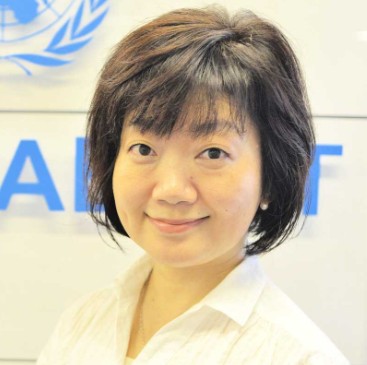
| 《Moderator》 Ms. Sachiyo Hoshino UN-Habitat Regional office for Asia and the Pacific |
 |

