
-のコピー-1024x731.jpg)
<Physicians and Veterinarians Collaborating to Tackle Neglected Zoonotic Diseases>
Human, animal, and environmental health cannot be considered separately. An international collaborative research project based on this One Health concept is currently being carried out in Tanzania, translating the approach into practical measures for infectious disease control.
From 2024 to 2029, a five-year research project entitled One Health Education Public–Private Partnerships (OHEPP-SATREPS) is being implemented under the framework of the Science and Technology Research Partnership for Sustainable Development (SATREPS), jointly supported by the Japan Agency for Medical Research and Development (AMED) and the Japan International Cooperation Agency (JICA).
Under this project, a One Health approach is being implemented in the Morogoro Region of Tanzania, bringing together physicians, veterinarians, researchers, and local communities to control neglected zoonotic diseases, namely brucellosis and zoonotic tuberculosis.
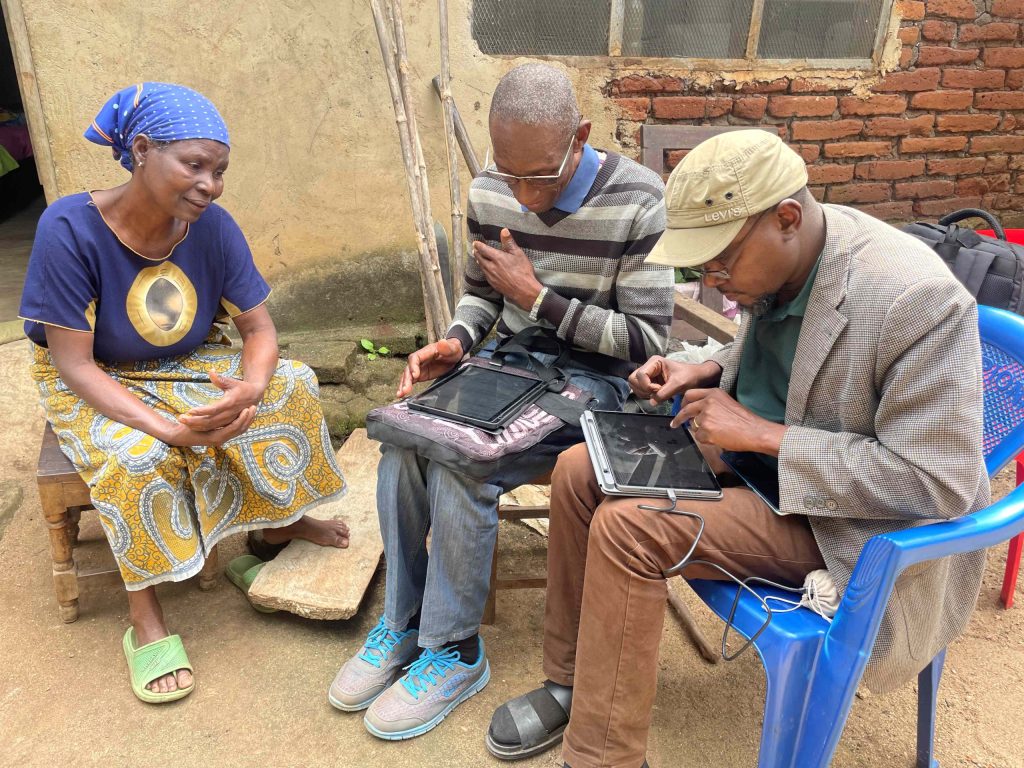
<Putting One Health into Practice: Simultaneous Investigation of Humans and Livestock>
A key feature of this project is that it investigates and analyzes human and animal health simultaneously, rather than treating them separately.
<Veterinary Team Investigates Infection Status in Livestock>
The veterinary team is conducting screening surveys for bovine brucellosis and bovine tuberculosis among approximately 400 livestock farming households in the Morogoro Region.
Using methods such as the tuberculin skin test, Loop-Mediated Isothermal Amplification, and Enzyme-Linked Immunosorbent Assay, the team assesses the infection status of cattle. Animals that test positive undergo further detailed examinations to clarify the actual prevalence of these diseases within the region.
In addition, studies on the milk value chain and antimicrobial-resistant bacteria are being carried out in parallel to evaluate the risk of transmission to humans.
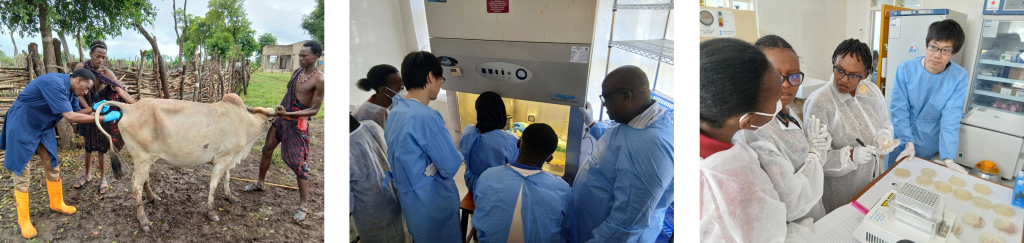
<Medical Team Investigates the Health of Local Communities>
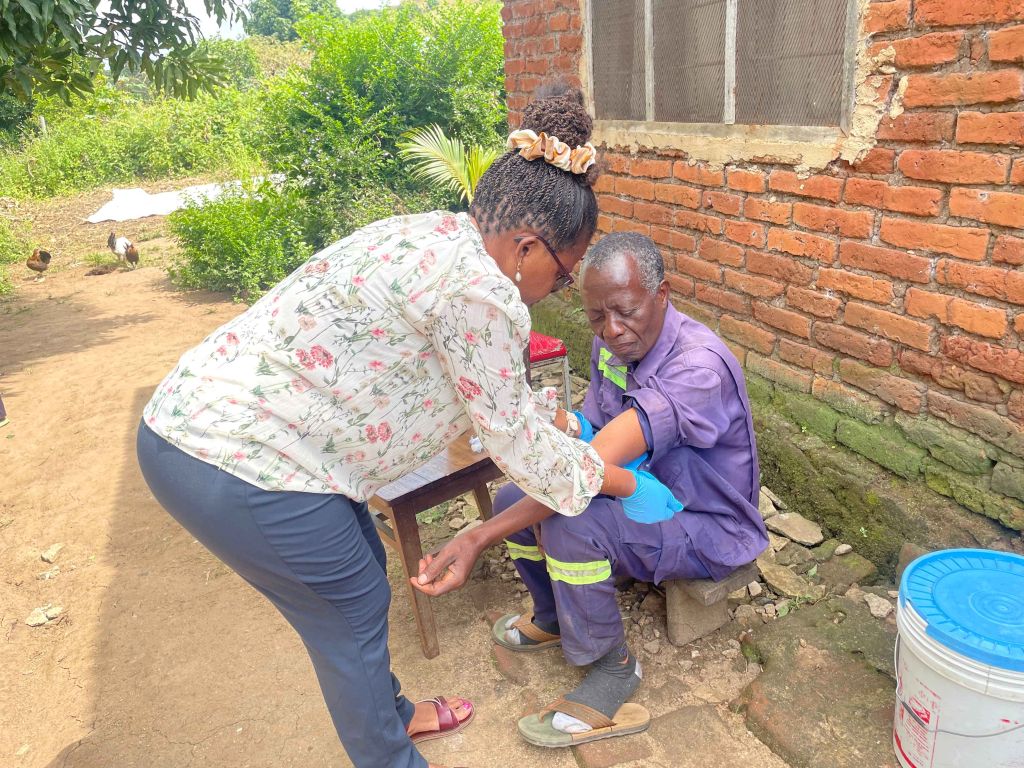
Meanwhile, a team of physicians and public health officials is conducting community-based surveys among residents throughout the Morogoro Region. By visiting individual households, the team collects information on:
• The prevalence of brucellosis and zoonotic tuberculosis;
• The nature and extent of human–livestock interactions; and
• Knowledge, Attitudes, and Practices related to these diseases.
In addition, biological samples are collected, and by integrating data on human infections with livestock data, the team scientifically analyzes transmission pathways and risk factors.
In other words, rather than studying only humans or only livestock, the project seeks to reveal the full picture of disease transmission that can only be understood by investigating both simultaneously.
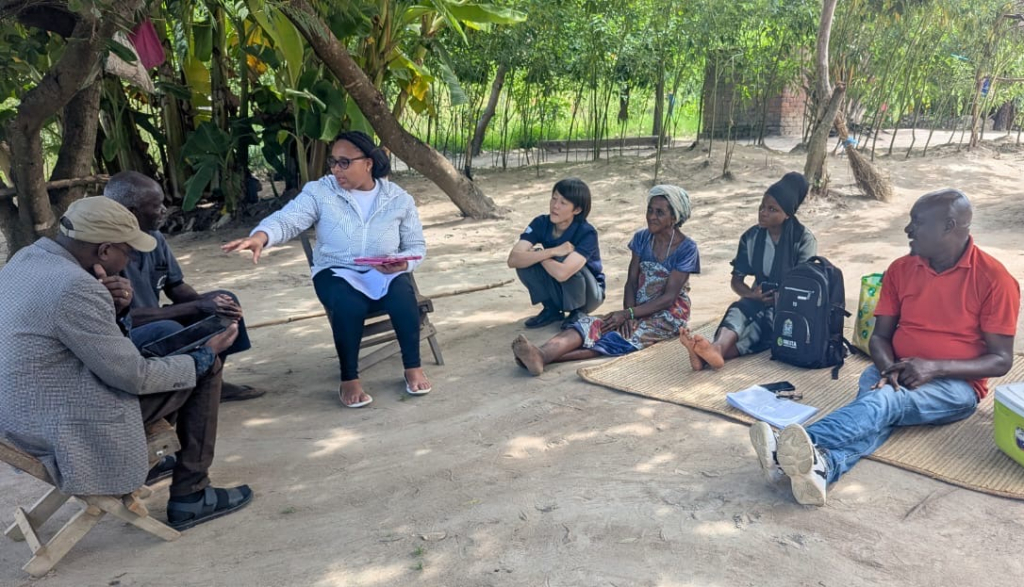
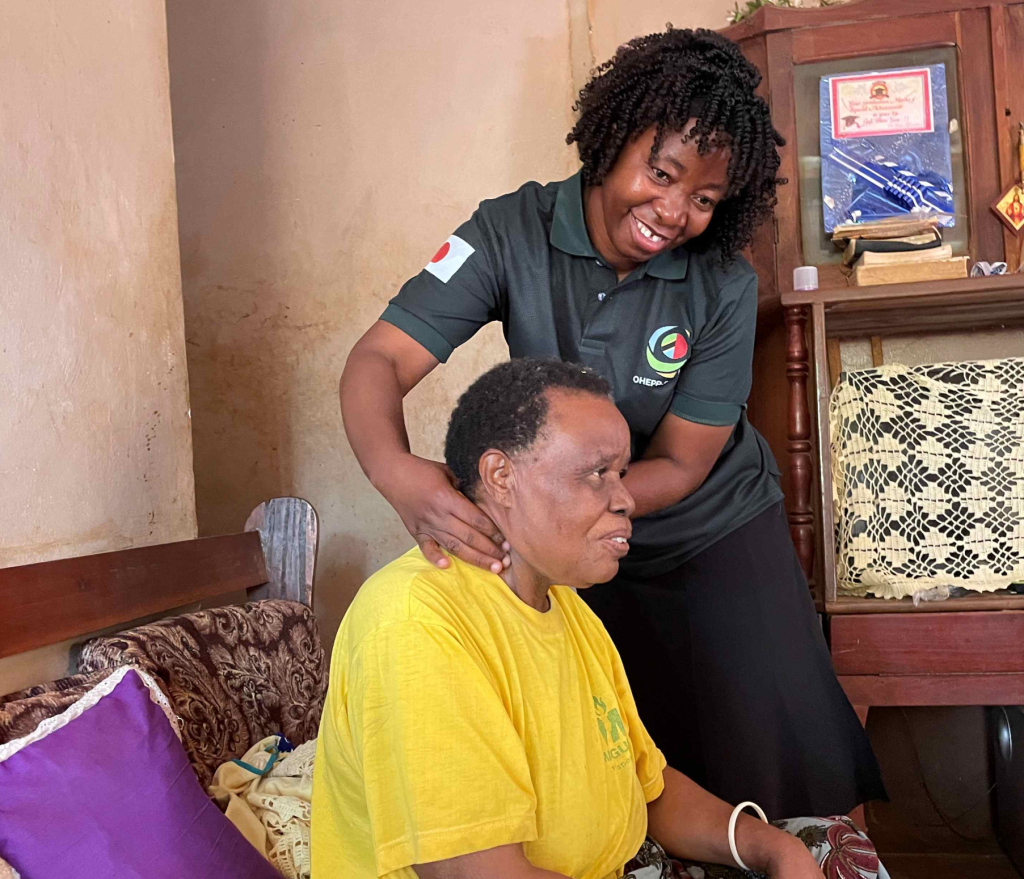
<Visualizing Infection Risks Together with Local Communities>
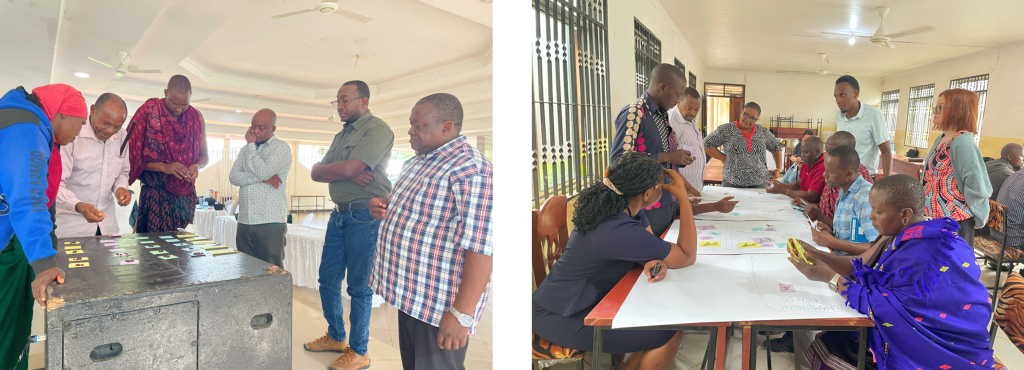
This project incorporates participatory epidemiology, an approach that encourages local communities to take an active role in infectious disease control rather than relying solely on experts. During group discussions with livestock farmers, participants used familiar items such as beans to visually illustrate:
• interactions among cattle, wildlife, and people;
• how raw milk is used;
• and the distribution of milk and dairy products.
By gaining an understanding of local lifestyles and cultural contexts that cannot be captured through numerical data alone, the project aims to develop infectious disease control measures that are tailored to the needs and realities of the community.
<Education and Public–Private Partnerships Support Sustainable Control Measures>
While brucellosis and zoonotic tuberculosis have been largely controlled in many developed countries, they have remained neglected for many years in developing countries because of insufficient systems and limited financial resources.
This project goes beyond simply investigating infection status. It is also working to establish a framework in which the following stakeholders collaborate to advance infectious disease control across the entire community:
• government authorities;
• the public health sector;
• educational institutions;
• local communities; and
• private-sector stakeholders.
Education is another key pillar of the project. Through educational activities, community members gain a better understanding of infectious diseases and are encouraged to adopt preventive behaviors.
<Developing the Next Generation of Professionals: One Health Education through Field Experience>
This project is also committed to developing the next generation of One Health professionals. To date, undergraduate and graduate students from several Japanese universities have had opportunities to learn through field experiences in Tanzania.
At an event held as part of these initiatives, students and graduate students who had worked in the field gave presentations on their experiences in One Health practice from their respective perspectives, including veterinary epidemiology, human ecology, and Japan International Cooperation Agency (JICA) internships.
A common message emerging from the presentations was that “One Health is practiced close to home.” The presenters shared the view that human behavior affects livestock, the environment, and ultimately human health, and that effective infectious disease control requires an understanding of social and cultural contexts as well as collaboration across disciplines. Many speakers also emphasized the importance of engaging in dialogue with local communities, building relationships of trust, and respecting diverse values and perspectives.
A sixth-year student in the Joint Program in Veterinary Medicine at Obihiro University of Agriculture and Veterinary Medicine (then in the fifth year of study), who participated in the JICA internship, reflected, “Through firsthand experience in the field, I came to realize how closely people and livestock live together and gained a deep appreciation of the interconnectedness of humans, animals, and the environment. This experience allowed me to truly understand the importance of One Health.”
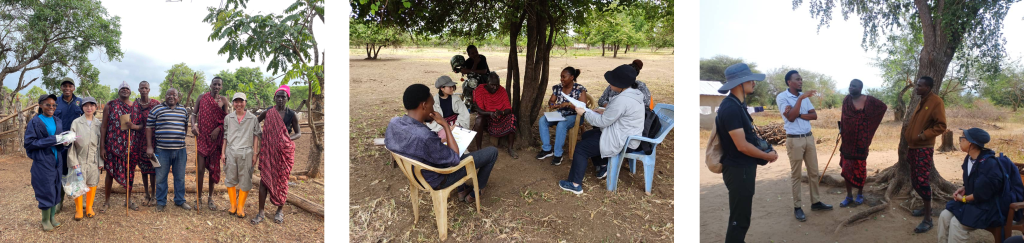
<Scenes from the presenters’ field activities. >
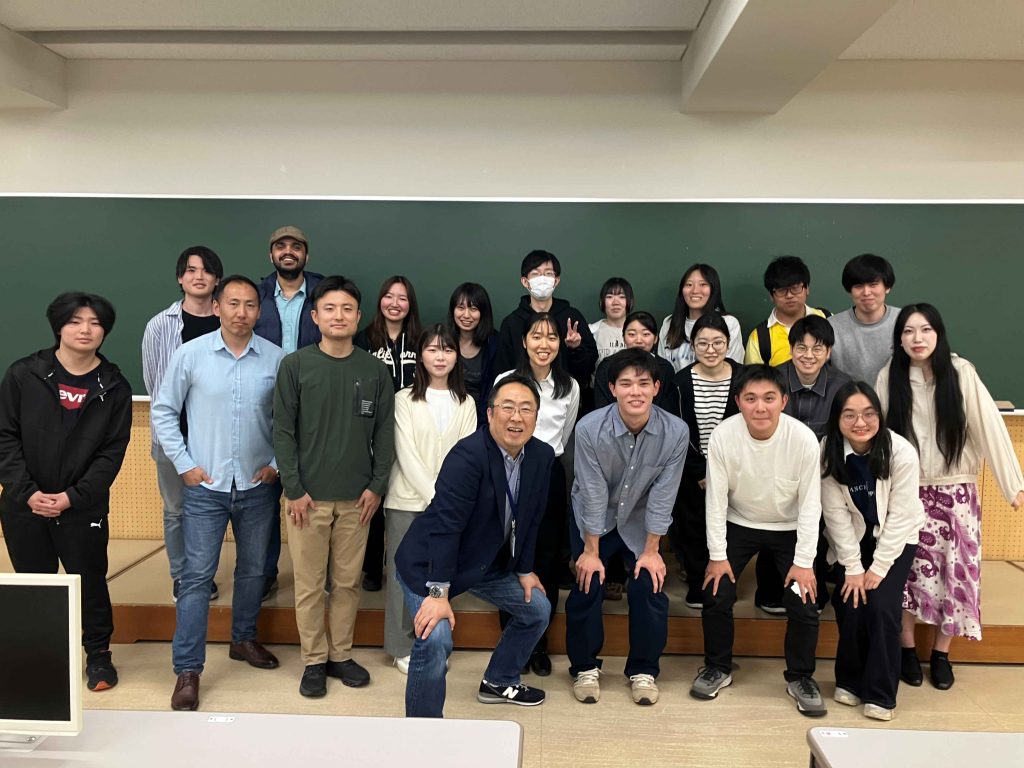
On the day of the event, more than 60 people participated both in person and online. Through sharing the students’ diverse experiences and perspectives, the event provided an opportunity for participants to deepen their understanding of One Health as a practical approach that connects people, animals, the environment, and society.
<One Health: Transforming the Future of Infectious Disease Control>
Brucellosis and zoonotic tuberculosis cannot be effectively controlled by focusing solely on human health or by managing livestock alone.
Physicians protect human health, veterinarians safeguard animal health, and by integrating information from both sectors, infection sources can be identified and control measures implemented in collaboration with government authorities and local communities. This is One Health in practice.
The OHEPP-SATREPS project is one of the world’s leading initiatives addressing neglected zoonotic diseases through the integration of multiple disciplines, including medicine, veterinary medicine, social sciences, and education.
The knowledge generated through this project is expected to serve not only Tanzania but also countries around the world as a model for zoonotic disease control and One Health policymaking.
The One Health concept, which recognizes the interconnectedness of human, animal, and environmental health, is gaining global attention as a key approach to addressing increasingly complex infectious disease challenges. As a practical example of One Health in action, the project in Tanzania—bringing together physicians, veterinarians, researchers, and local communities—is expected to provide valuable insights for future infectious disease control efforts.
【Information and Photos Provided by:】
One Health Education Public–Private Partnerships (OHEPP-SATREPS)
<Project Website>
https://ohepp-satreps.rakuno.ac.jp/

